Engagement in Islam: What Is Permissible Before Nikah
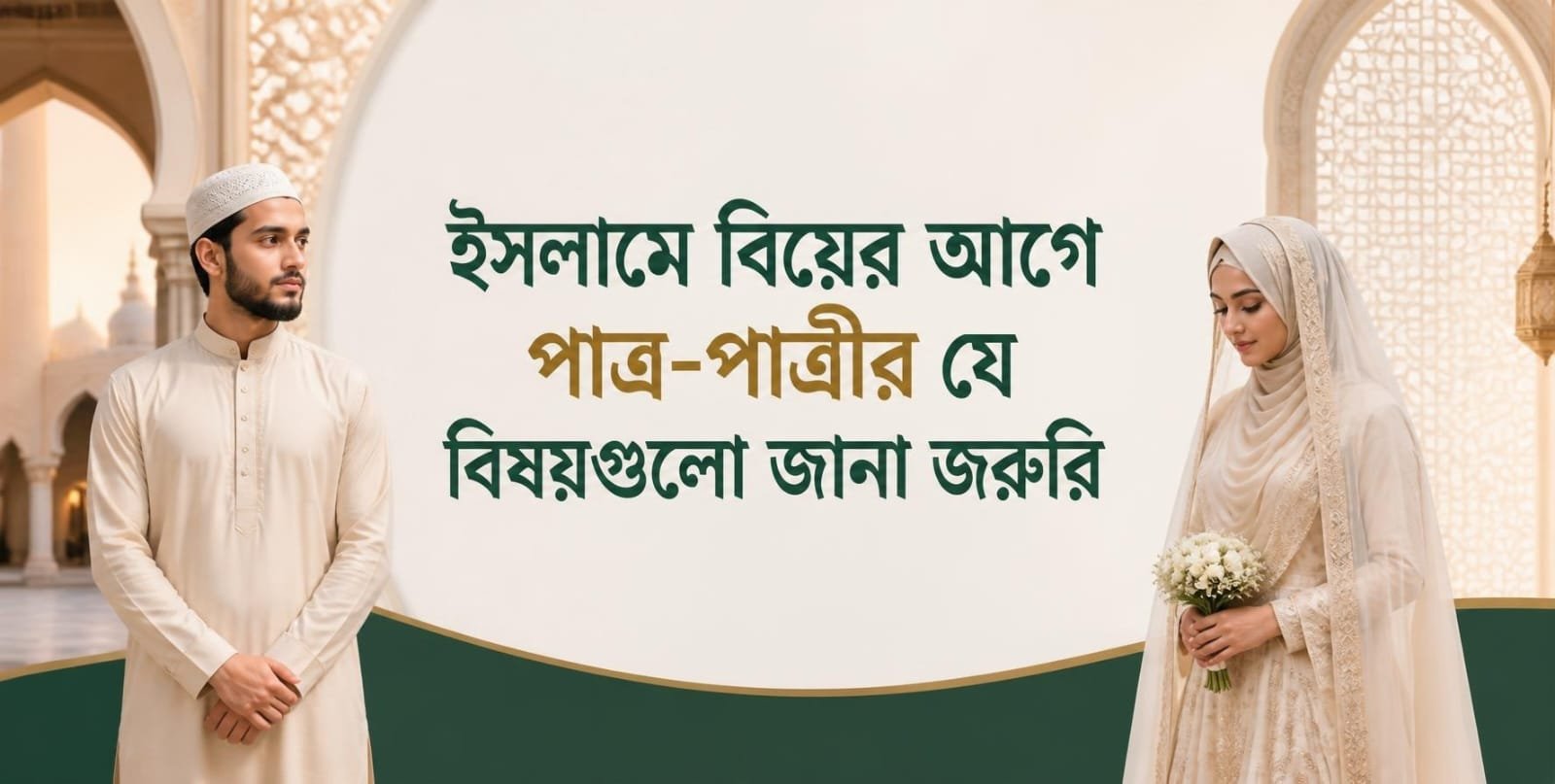
The engagement period (khitbah) is a promise, not a marriage. Knowing what it does and does not permit prevents both confusion and sin.
Notices, events, and announcements from Golden Marriage Media
The engagement period (khitbah) is a promise, not a marriage. Knowing what it does and does not permit prevents both confusion and sin.
The concept of kafa'ah — suitability between spouses — is often misunderstood. Properly understood, it is about harmony, not hierarchy.
When marriage is approached as an act of worship, the entire journey — including its difficulties — becomes a source of reward and barakah.
The search for a spouse can be one of the most spiritually testing periods of a Muslim's life. Here is how to maintain — and deepen — your connection with Allah through it.
A marriage flourishes when both spouses understand not only their own rights but, more importantly, their duties toward each other.
The wali is not an obstacle — he is a protection. Understanding his role, his responsibilities, and his limits is essential for every Muslim woman seeking marriage.
Islam neither demands marrying a stranger nor permits unrestricted dating. The middle path — a structured, supervised acquaintance — is both wise and lawful.
Mahr is an obligation, not a negotiation. Dowry is a cultural practice, not an Islamic one. Understanding the difference protects both parties.
The nikah is a contract, and like any contract it can include agreed conditions. Knowing your rights here protects both spouses.
The Prophet ﷺ gave us four criteria. Understanding what they mean — and which to prioritise — is the foundation of a blessed marriage.
The Prophet ﷺ was the best of husbands. His example offers a complete blueprint for kindness, partnership, and mercy within marriage.