

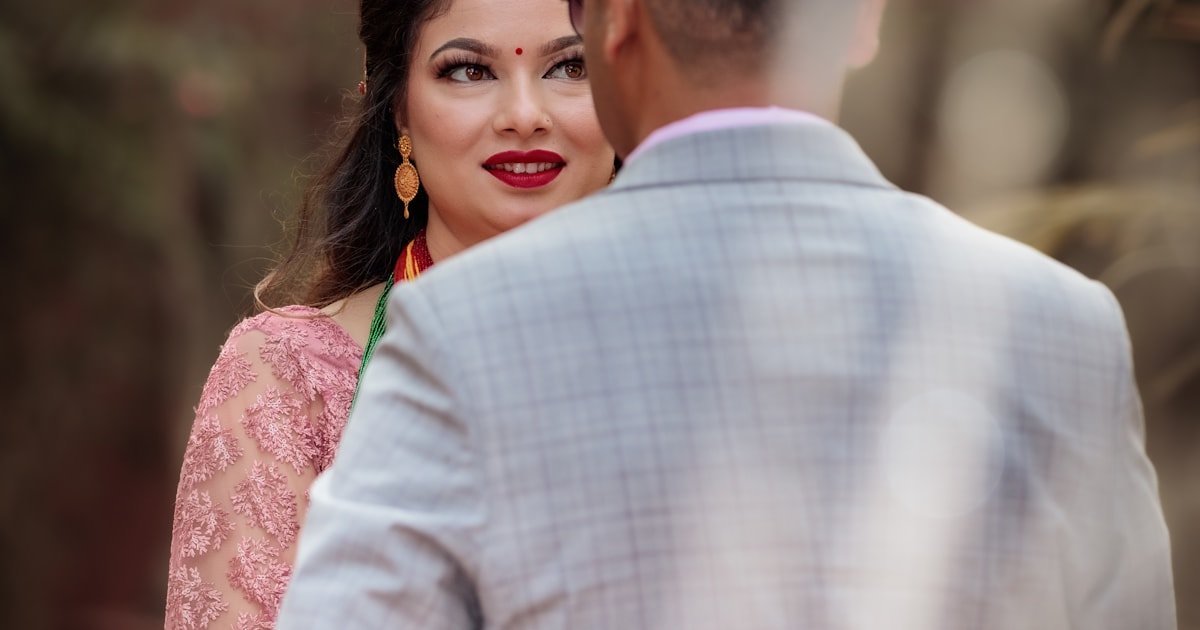
The moment both families agree to proceed is a joyful one — but it is also the beginning of a delicate transition. The weeks between agreement and the nikah are when excitement, logistics, and emotion collide. Handling this period well lays a strong foundation.
Keep Communication Appropriate and Intentional
During the engagement period, communication between the couple should remain within Islamic bounds — purposeful and, ideally, with family awareness. Use this time to discuss the practical foundations of your shared life rather than drifting into a casual, boundary-blurring closeness before the nikah.
Align on the Essentials
Before the wedding, reach genuine agreement on the things that cause the most early friction: where you will live, financial arrangements, expectations around extended family, and how you will make decisions together. These conversations are far easier before emotions and habits set in.
Do Not Let the Wedding Eclipse the Marriage
It is easy for families to pour all their energy into the event — the venue, the guests, the food — and neglect the marriage itself. A modest wedding and a well-prepared couple is infinitely better than a lavish event and an unprepared one. The Prophet ﷺ praised the marriage that is least burdensome.
Manage Family Dynamics Early
Two families are joining, each with its own customs and expectations. Small misunderstandings during the planning phase can sour relationships for years. Approach differences with generosity and let the couple, supported by calm elders, mediate gently.
These ninety days are not just preparation for a wedding. They are the first chapter of your marriage. Write it with intention.